
 Call a Friend
 Create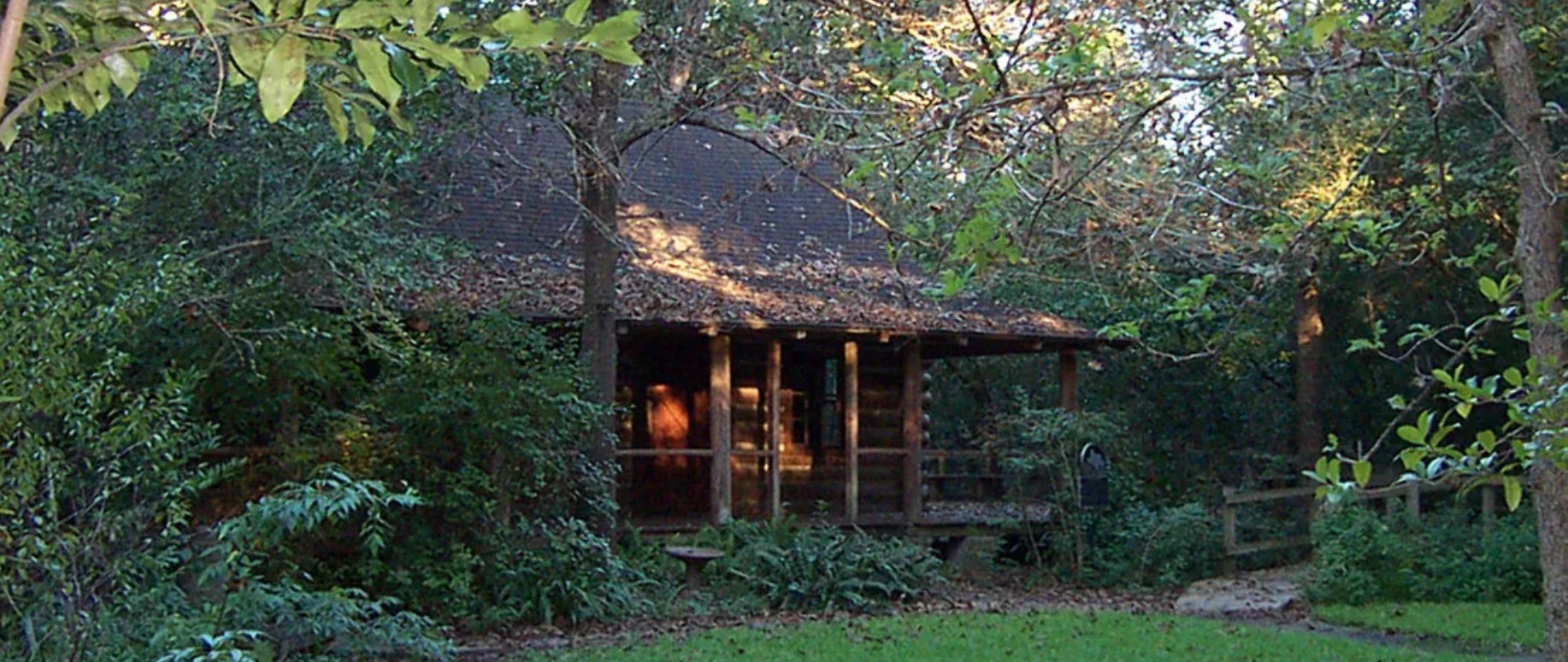
How one Houston scientist turned a private refuge into a living inheritance
By Lydia™ @Lydia.com
Houston Living · Approximately 5 minutes
In west Houston, traffic and rooftops seem to occupy every available space. Then a path slips beneath pines and hardwoods, the city’s hard edges soften, and Rummel Creek begins to set the pace.
The Edith L. Moore Nature Sanctuary is only about 18 acres, yet it holds an unusually generous idea. A woman who loved these woods arranged for them to outlive her—not as a monument to herself, but as shelter for birds and a place where other people could learn to pay attention.
A Scientist in the Woods
Edith Lotz Moore was born in Minnesota in 1884. Houston Audubon’s historical account says she sang at weddings to help finance her education at the University of Minnesota, then came to Houston during the First World War to work as a bacteriologist and pathologist at Camp Logan, on land now associated with Memorial Park.
She later worked as a scientist for the City of Houston and married Jesse Moore, a milk inspector. Their professions belonged to a modernizing city concerned with public health. Their private ambition led in another direction: westward, toward a tract of pine, dogwood and holly that was then 17 miles from downtown.
The Cabin They Built by Hand
In 1931 and 1932, Edith and Jesse built a log cabin beside Rummel Creek. They cut native pine from their property and used reclaimed sandstone curbstones for the fireplace and chimney. The work was practical, but it also expressed a preference for living in conversation with the land.
The cabin still stands where they built it. Now a Recorded Texas Historic Landmark, it is a rare survivor of an earlier Houston—before subdivisions and commercial corridors transformed the countryside around it.
When the City Reached the Trees
Houston eventually caught up with the Moores’ country home. Roads, houses and neighborhood growth pressed around the woodland. What looks peaceful in retrospect required persistence: the property faced dumping, trespassing, vandalism and the ordinary pressure to treat undeveloped land as land awaiting another use.
Edith chose permanence. When she died in 1975, she left 17.5 acres and the cabin to Houston Audubon, stipulating that the land be owned and maintained forever as a bird sanctuary. The wording mattered. Affection for nature became a legal and civic commitment.
Sometimes a city’s most visionary gift is not a new structure, but a boundary drawn around what must remain alive.
A Sanctuary That Teaches Attention
Today the sanctuary is Houston Audubon’s headquarters, but its deeper work occurs outdoors. Roughly a mile and a half of trails pass through mixed pine and hardwood forest, wet areas and the edges of Rummel Creek. More than 200 bird species have been documented through the site’s survey and eBird records.
The old cabin has become an education space. Children encounter stories, crafts, camps and the patient disciplines of looking and listening. A native-plant nursery extends the lesson beyond the property, helping Houstonians understand that habitat can begin in an ordinary yard.
This is not nature preserved under glass. An urban woodland requires continuing work: monitoring species, tending native plants, maintaining trails and repairing the effects of storms, erosion and human use. The bequest created a sanctuary, but generations of staff members and volunteers have had to keep making it one.
The sanctuary’s rules are quieter than those of a conventional park because wildlife comes first. That distinction is part of its appeal. Visitors are not promised entertainment at every turn; they are asked to lower their voices, remain on the trails and notice what is already present.
In a city where public space often invites speed, exercise or organized activity, Edith Moore offers a different kind of usefulness. Its value lies partly in what does not happen there. A short walk becomes an interval in which productivity recedes and attention returns—to birdsong, leaf movement, water and one’s own unhurried thoughts.
What One Small Place Can Hold
Edith Moore could not preserve the countryside west of Houston. No individual could. She protected the piece entrusted to her, then gave it a future larger than memory. Houston Audubon, its volunteers, educators and supporters have carried that promise forward through restoration, research and care.
The result is modest in acreage and immense in contrast. Around it, Houston continues to build, widen and replace. Inside it, a barred owl may remain hidden above the trail, water moves beneath branches, and a cabin made from local trees continues to welcome children.
A sanctuary does not stop a city from changing. It gives change a conscience. Edith Moore’s woods endure because she understood that progress should leave room for lives it cannot measure—and because she made that understanding binding on the future.
Research & Sources
Houston Audubon — Edith L. Moore Visitor Information
houstonaudubon.org
Houston Audubon — Moore Log Cabin History
houstonaudubon.org
Houston Audubon — Edith L. Moore Historical Profile
houstonaudubon.org
Houston Audubon — Edith L. Moore Urban Bird Survey
houstonaudubon.org
Historical Marker Database — Moore Log House marker text
hmdb.org
Jones et al. — A Herpetological Survey of Edith L. Moore Nature Sanctuary
checklist.pensoft.net
Lydia™ provides independent editorial commentary informed by the sources listed above.
Lydia™ Editorial Disclaimer
This article provides general cultural and educational commentary. Historical interpretation may evolve as further records become available, and visitor information, programs, access arrangements and sanctuary rules may change. Consult Houston Audubon’s official website before visiting and follow all current wildlife-protection guidance.