 Call a Friend
 Create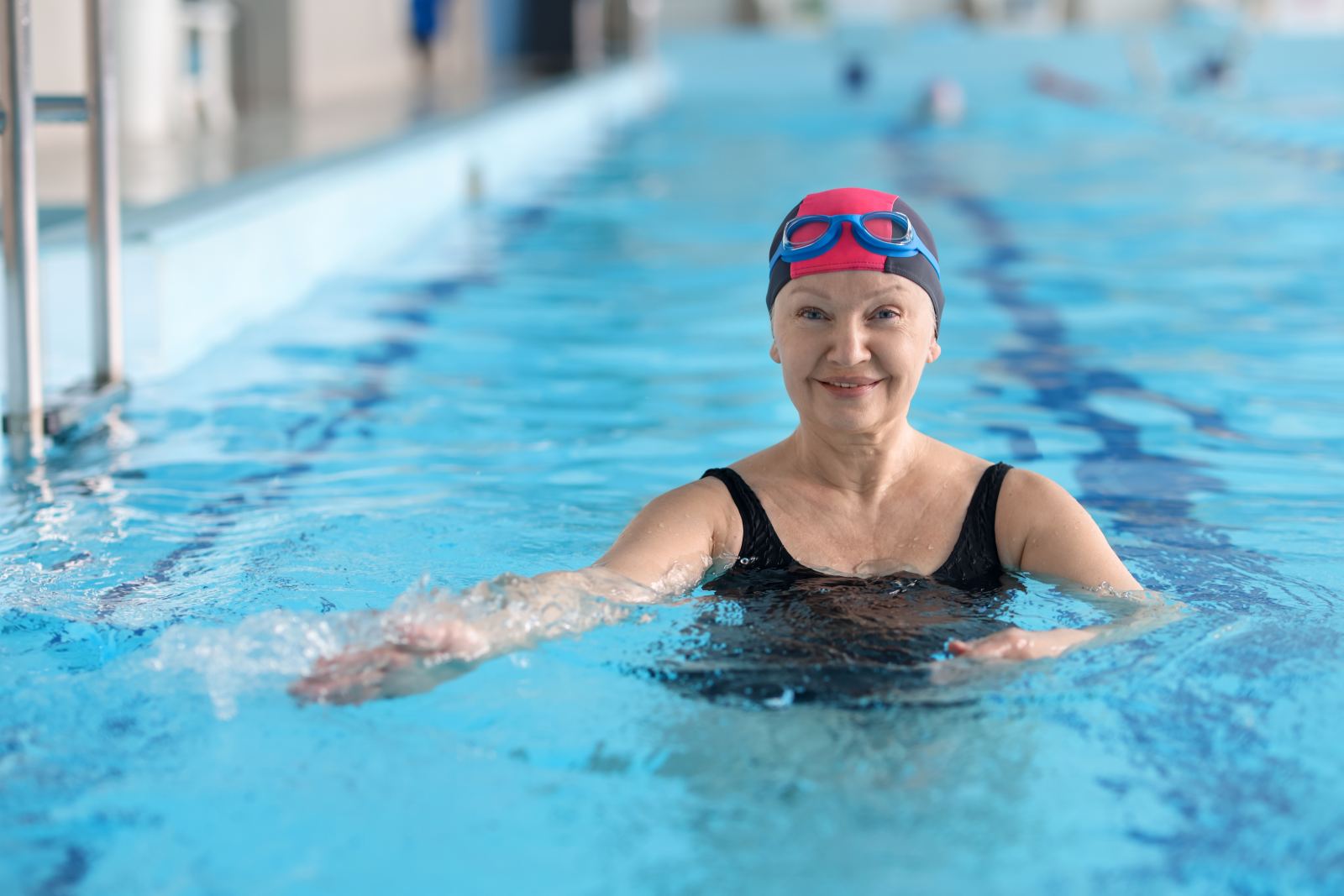
There is still no guaranteed way to prevent dementia. But new World Health Organization guidelines suggest that some of the choices we make throughout life may influence our risk—and several popular ideas have much weaker evidence than you might expect.
Few health concerns provoke quite the same anxiety as dementia.
Perhaps that is because it touches something unusually personal.
We worry not simply about becoming ill, but about losing memories, independence and some of the abilities through which we recognize ourselves and the people we love.
So it is hardly surprising that an enormous industry has developed around the promise of “brain health.”
Supplements.
Puzzles.
Special diets.
Sleep trackers.
Exercise programs.
Apps promising cognitive training.
And occasionally the suggestion that a particular food, vitamin or daily habit might somehow help us “prevent” dementia.
The science, inevitably, is more complicated.
But it is also more hopeful than it once was.
In July 2026, the World Health Organization published the second edition of its guidelines on reducing the risk of cognitive decline and dementia, updating guidance first issued in 2019. The document brings together evidence concerning physical activity, diet, cognitive and social activity, hearing, cardiovascular health, diabetes, obesity, alcohol, smoking, air pollution, sleep, menopause and several other possible influences on brain health.
The conclusion is not that dementia can simply be prevented.
It is something more nuanced:
There are things we can do that may improve the odds.
Dementia Is Not an Inevitable Part of Getting Older
More than 57 million people worldwide are currently living with dementia, and nearly 10 million new cases occur each year, according to WHO.
Age remains one of the strongest risk factors.
But dementia is not an inevitable consequence of aging.
That distinction matters.
WHO's new guidance reflects what researchers increasingly call a life-course approach to brain health.
Rather than imagining dementia prevention as something that begins at 70, researchers are looking at decades of accumulated influences—education, physical activity, blood pressure, hearing, smoking, diabetes, social engagement and other factors that may affect the brain long before symptoms appear.
The guidelines specifically note that dementia risks can accumulate over time and that some may matter more at particular stages of life.
That changes the question.
Instead of asking:
“What can I do when I am old to avoid dementia?”
perhaps the more useful question is:
“What can I do throughout life to give my brain the best possible chance?”
What Does the Famous 45% Figure Actually Mean?
One statistic understandably attracted considerable attention when WHO released the guidelines.
WHO says that up to 45% of dementia risk can be attributed to potentially modifiable risk factors, including physical inactivity, smoking, harmful alcohol use, social isolation, air pollution, high blood pressure and diabetes.
It is an extraordinary figure.
But it is also very easy to misunderstand.
It does not mean that an individual can reduce her personal chance of dementia by exactly 45%.
It does not mean that 45% of dementia cases will certainly disappear if everyone exercises and eats well.
And it certainly does not mean that somebody who develops dementia failed to look after herself properly.
Population-attributable risk estimates ask a different question: how much disease might theoretically be associated with modifiable exposures across a population under particular assumptions?
They are valuable for public health.
They are not personal guarantees.
So perhaps the most responsible interpretation is this:
A meaningful proportion of dementia risk appears to be potentially modifiable—but much remains beyond individual control.
Genetics, aging, biology, socioeconomic circumstances and simple uncertainty still matter.
The Strongest Everyday Message: Keep Moving
Among the lifestyle recommendations, physical activity stands out.
WHO gives a strong recommendation, supported by moderate-certainty evidence, that physical activity should be recommended to adults with normal cognition to reduce the risk of cognitive decline.
WHO's broader guidance encourages regular movement across adulthood, including aerobic activity, muscle strengthening and reducing sedentary time.
The important point is that this does not require becoming an athlete.
Walking.
Cycling.
Swimming.
Gardening.
Dancing.
Strength exercises.
Regular movement appears to be one of those rare health interventions that benefits almost everything at once: cardiovascular health, metabolic health, mobility, mood—and apparently the brain as well.
There may not be many true bargains in medicine.
Exercise comes remarkably close.
Look After the Heart, and You May Be Looking After the Brain
Another theme runs quietly through the WHO report:
brain health and cardiovascular health are deeply intertwined.
WHO recommends appropriate management of high blood pressure, diabetes and abnormal blood lipids for people who have those conditions. Dementia-specific recommendations vary in strength because the direct intervention evidence is not equally strong for every condition, but the broader health benefits of treatment are already well established.
This makes intuitive biological sense.
The brain is an extraordinarily demanding organ supplied by an intricate network of blood vessels.
What harms those vessels over decades may eventually harm the brain they nourish.
So some of the most sensible “brain health” advice turns out not to sound particularly neurological at all.
Know your blood pressure.
Manage diabetes appropriately.
Address high cholesterol when indicated.
Don't smoke.
Move regularly.
What is good for the heart is often good for the brain too.
What About Keeping the Brain Busy?
This is where things become interesting.
WHO distinguishes between cognitive training and broader cognitive stimulation.
Cognitive training usually involves structured, repetitive exercises aimed at particular mental abilities.
Cognitive stimulation is broader and can include activities such as reading, storytelling, games and structured group activities.
WHO says cognitive stimulation may be encouraged, although the certainty of evidence is very low. Cognitive training may also be offered to older adults with normal cognition or mild cognitive impairment, supported by low-certainty evidence.
So should we all rush out and buy Sudoku books?
Not necessarily.
A crossword puzzle may be enjoyable and mentally stimulating.
But no particular puzzle has been shown to be a magic shield against dementia.
The broader idea is probably more useful:
Keep learning. Keep thinking. Keep challenging your brain.
Read something difficult.
Learn a language.
Play music.
Take a class.
Learn to use unfamiliar technology.
Play games that require thought.
Have conversations with people who make you reconsider what you think you know.
A curious life may be more valuable than a perfect score on a brain-training app.
And Yes, Social Life Appears to Matter
For Lydia™ readers, this part of the report is particularly interesting.
WHO states that social participation is strongly connected with health and wellbeing throughout life.
Its dementia-specific recommendation goes somewhat further: social-activity interventions may be recommended for adults with normal cognition or mild cognitive impairment.
But—and this is important—the certainty of the dementia-specific evidence is presently very low.
So the science does not justify saying:
“Having friends prevents dementia.”
Human relationships do not work quite that neatly.
But there is increasing recognition that social connection forms part of the broader environment in which healthy aging occurs.
WHO now places social activity alongside physical, cognitive, medical and environmental factors in its approach to dementia risk reduction.
Perhaps that should not surprise us.
A good conversation can require memory, language, empathy, attention, interpretation and emotional regulation simultaneously.
Coffee with a friend may look considerably less like “brain training” than an app does.
The brain may disagree.
Hearing May Be More Important Than Many People Realize
One of the most practical recommendations concerns hearing loss.
WHO says hearing aids may be offered to adults with hearing loss as part of strategies intended to reduce the risk of cognitive decline and dementia. The recommendation is conditional and based on low-certainty evidence.
This has become a major area of dementia research because untreated hearing loss may affect communication, social participation and the cognitive effort required simply to understand speech.
Importantly, this does not prove that hearing aids prevent dementia.
But it raises a much more useful question than whether we need the newest brain supplement:
When was the last time I had my hearing checked?
Sometimes sensible prevention looks remarkably ordinary.
The Brain-Health Supplement Aisle Deserves Some Skepticism
Here the WHO guidance becomes considerably firmer.
For adults without an established nutritional deficiency, WHO recommends against taking vitamin B, vitamin E, omega-3 polyunsaturated fatty acids, or multivitamin/mineral supplements specifically to reduce the risk of cognitive decline or dementia.
This is a strong recommendation, with moderate-certainty evidence.
That does not mean vitamins are useless.
Someone with a genuine deficiency may need supplementation for entirely legitimate medical reasons.
And nutrients found naturally within a healthy diet remain important.
But there is a substantial difference between:
“My doctor says I am deficient in this nutrient.”
and:
“I am taking this pill because the label says it supports brain health.”
The second claim deserves considerably more scrutiny.
Eat Well—but Don't Expect a Miracle Food
WHO recommends a healthy, balanced dietary pattern for adults and says such a diet may be recommended specifically for reducing cognitive decline and dementia risk, with moderate-certainty evidence.
The emphasis is on dietary pattern, not individual miracle ingredients.
That means variety.
Adequate nutrients.
Reasonable balance.
Moderation.
Foods appropriate to culture, preference and individual health needs.
Perhaps this is disappointing if we were hoping that blueberries, walnuts or olive oil contained a secret neurological password.
They don't appear to.
A healthy brain seems to prefer much the same unglamorous things as the rest of the body.
What About Menopause and Hormone Therapy?
This is an especially important area for women because claims about estrogen, menopause and dementia frequently appear online.
The WHO guideline is careful.
Menopausal hormone therapy is primarily intended to treat menopausal symptoms—not dementia.
For postmenopausal women aged 65 and older, WHO says MHT is not recommended specifically for reducing the risk of cognitive decline or dementia.
For women younger than 65—including women experiencing perimenopause, early menopause or premature ovarian insufficiency—the evidence is currently insufficient to recommend either for or against MHT for the specific purpose of dementia prevention.
That final phrase matters enormously.
WHO is not saying hormone therapy should never be used.
It is saying that dementia prevention should not currently be treated as a proven reason for using it.
Decisions about menopausal hormone therapy involve symptoms, age, personal medical history, timing and individual risk and should be discussed with an appropriate clinician.
The Sleep Question Is More Complicated Than the Headlines
Poor sleep is frequently linked with dementia in observational research.
WHO continues to advise good sleep for general health and wellbeing: adequate duration, continuity and restorative sleep are all important.
But when researchers specifically examined whether interventions to improve sleep or treat sleep-wake disorders reduce dementia or cognitive decline, WHO concluded that the current evidence remains insufficient to make a dementia-specific recommendation.
This is a useful illustration of how science can be misrepresented.
“Sleep is important for health” is well supported.
“Improving your sleep will prevent dementia” is a much bigger claim.
At present, the evidence does not justify treating those two statements as interchangeable.
Even the Air We Breathe Has Entered the Conversation
One of the newer additions to the WHO guidelines concerns air pollution.
WHO says reducing exposure to ambient air pollution—particularly fine particulate matter known as PM2.5—may reduce the risk or incidence of cognitive decline or dementia.
It makes a similar conditional recommendation concerning household air pollution.
In both cases, however, the certainty of the dementia-specific evidence is very low.
This matters because it reminds us that brain health is not purely an individual responsibility.
Where we live, what we breathe, the quality of our neighborhoods and our access to healthcare, education and healthy food all influence risk.
WHO specifically warns that effective dementia prevention cannot depend on personal behavior alone; structural and socioeconomic circumstances also shape what people are able to do.
“Make healthier choices” is useful advice only when people actually have healthy choices available to them.
Perhaps There Is No Single Secret
The most interesting recommendation in the entire WHO report may be the one that doesn't focus on any single risk factor.
Researchers reviewed 44 randomized controlled trials published between 2012 and 2025 involving what are called multidomain interventions.
Rather than concentrating solely on diet, exercise or memory training, these programs combined several approaches—such as physical activity, cognitive activity, diet, cardiovascular risk management, social activity, smoking cessation or depression management.
WHO concludes that tailored multidomain interventions may be offered to reduce cognitive decline and dementia risk.
The recommendation is conditional, but unusually for this field, the certainty of evidence is rated moderate to high.
Perhaps that tells us something important.
Human beings are complicated.
Brains are complicated.
Dementia is complicated.
It would be rather surprising if its prevention came down to one vitamin, one food or one puzzle.
The emerging science instead suggests something much more holistic.
Take care of the body.
Take care of the cardiovascular system.
Keep moving.
Keep learning.
Treat medical problems appropriately.
Protect your hearing.
Remain socially engaged.
Avoid smoking and harmful drinking.
Eat reasonably well.
And think about these things not as a frantic project beginning at retirement, but as part of the way we live throughout adulthood.
WHO summarizes the principle neatly: dementia risk factors often coexist and accumulate over the life course, which is why they should be addressed together rather than in isolation.
What Science Still Doesn't Know
Despite considerable progress, there is plenty of uncertainty.
WHO acknowledges that for many risk factors, the evidence still consists largely of observational studies or relatively small numbers of randomized trials.
Follow-up periods may be short.
Studies do not always measure dementia itself as the final outcome.
Much of the research has been conducted in wealthier countries.
And researchers still know relatively little about how multiple risk factors interact over decades.
So anyone offering absolute certainty about dementia prevention is offering something science currently cannot.
That may sound disappointing.
It shouldn't.
Medicine often advances not by discovering guarantees, but by gradually shifting probabilities in our favor.
Lydia's™ Take
There is something reassuring about these new guidelines.
Not because they offer a way to guarantee that dementia will never happen.
They don't.
But because the things most consistently associated with healthier aging are not exotic.
You don't need an expensive “brain optimization” program.
You don't need a cupboard full of supplements.
You don't need to turn every meal into a chemistry experiment.
You may simply need to take seriously many of the things that already make life healthier—and often more enjoyable.
Move.
Learn.
Talk.
Listen.
Eat reasonably well.
Look after your heart.
Have your hearing checked if it is declining.
Treat the health conditions that need treating.
Stay curious.
Stay involved with other people.
And perhaps don't wait until you're 70 to start.
None of these promises immunity from dementia.
Someone can do everything “right” and still become ill.
That is why discussions of dementia prevention should never become discussions of blame.
Risk is not destiny.
But neither is it completely beyond our influence.
Perhaps the healthiest approach is somewhere between fear and false reassurance:
We cannot control everything that happens to the aging brain.
But we may be able to give it better odds.
And that seems worth doing.
Medical Disclaimer
This article is provided for general educational and informational purposes and is not a substitute for individualized medical advice, diagnosis or treatment. Dementia risk is influenced by many genetic, medical, environmental and lifestyle factors. Decisions involving medications, supplements, menopausal hormone therapy, hearing treatment, blood-pressure management or other medical interventions should be made in consultation with an appropriately qualified healthcare professional.
Research & Trusted Sources
World Health Organization (2026), Risk reduction of cognitive decline and dementia: WHO guidelines, second edition. The principal source for this article. The updated guideline evaluates behavioral, medical, environmental and multidomain interventions for adults without dementia and identifies both supported recommendations and areas where evidence remains insufficient.
World Health Organization, July 2026 — New WHO guidelines: up to 45% of dementia risk could be prevented or delayed. WHO's accompanying release summarizes the updated recommendations and notes that more than 57 million people live with dementia globally.
WHO Guidelines Publication Page. WHO describes the second edition as reflecting substantial growth in the evidence since 2019, including new guidance concerning environmental risk and tailored multidomain interventions.
The WHO guidelines also draw upon a much broader body of systematic reviews, randomized trials and international dementia-prevention research assembled through its formal guideline-development process, including evidence reviews covering cognitive activity, social activity, nutrition, hearing, hypertension, obesity, diabetes, sleep, air pollution and multidomain interventions.