 Call a Friend
 Create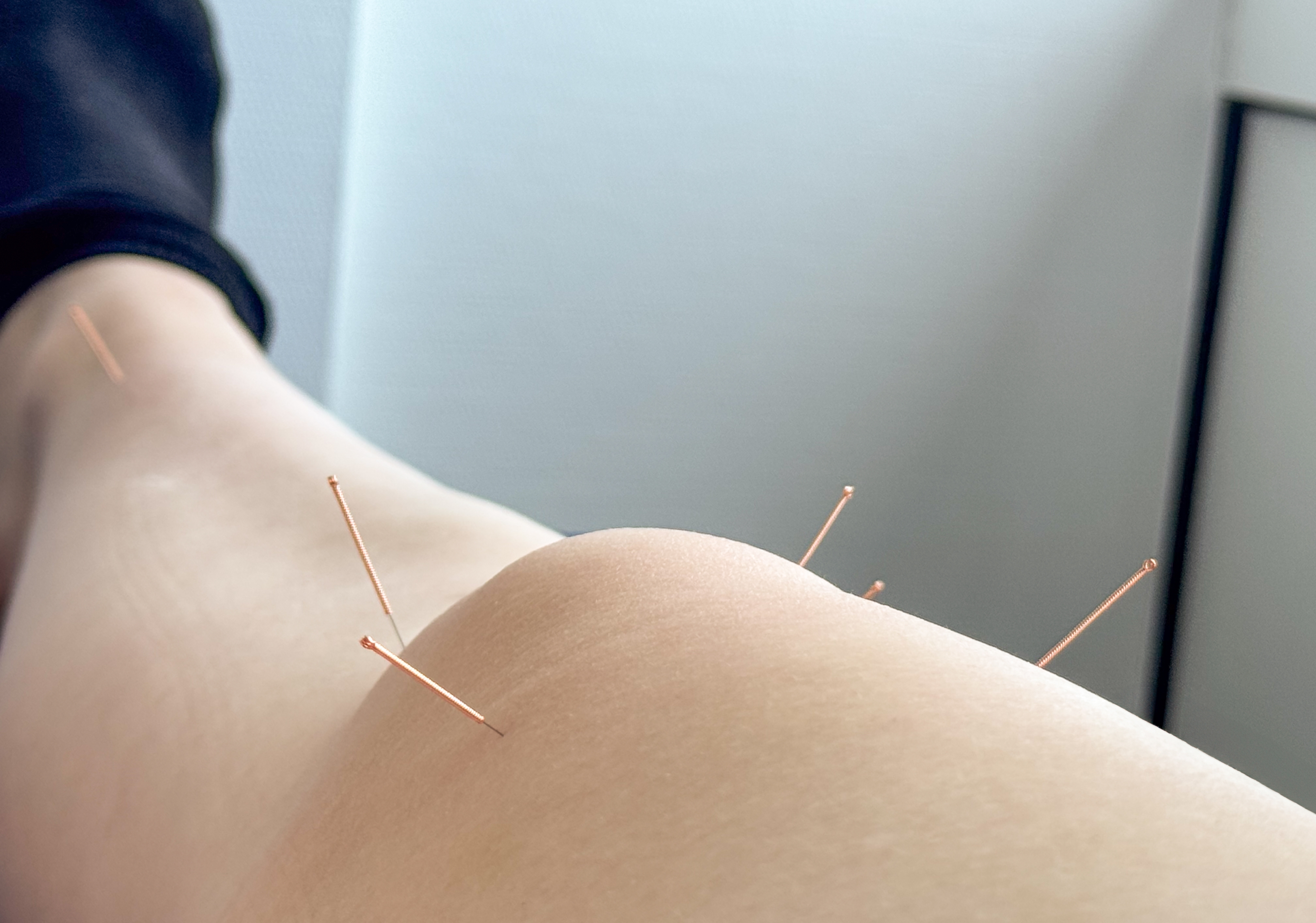
There are some questions that never quite settle.
Not because we lack answers—but because the answers resist simplicity.
Acupuncture is one of them.
A recent analysis in The Economist revisits a question many women quietly carry: does it actually work—or does it just feel like it does?
The emerging answer is more nuanced than either camp would like.
What the evidence suggests
Across decades of studies, a pattern is becoming clearer.
Acupuncture appears to have real, measurable benefits for certain conditions—especially pain. It has been shown to help with:
- chronic low back pain
- migraines and tension headaches
- post-operative nausea
In some cases, its effects are comparable to conventional treatments, such as anti-nausea medications after surgery. ()
But beyond these areas, the evidence becomes far less certain.
For many other conditions, results are inconsistent—or indistinguishable from placebo.
The uncomfortable middle ground
This is where the conversation becomes more interesting.
When researchers compare “real” acupuncture with “sham” acupuncture (needles placed randomly or superficially), the difference often shrinks. Not always to zero—but enough to raise a deeper question:
Is the benefit coming from the needles… or from the experience?
Some scientists suggest that acupuncture may stimulate the nervous system, triggering endorphins and other natural pain-relief mechanisms. ()
Others argue that expectation, ritual, and human attention—the therapeutic context itself—play a significant role.
And perhaps both are true.
A shift in how we define “working”
The most grounded interpretation today is not that acupuncture is either miracle or myth—but something more subtle:
- It is useful for specific symptoms, particularly pain
- It is less reliable as a cure-all
- Its effects likely include a blend of physiology and perception
Even skeptics increasingly acknowledge that if a treatment safely reduces suffering, the mechanism—while important—may not be the only measure of value.
Why this matters now
We are living in a moment of quiet recalibration in medicine.
As concerns grow about medication side effects—especially long-term pain management—there is renewed interest in therapies that are:
- lower risk
- less invasive
- more holistic
Acupuncture fits into that space, not as a replacement for modern medicine, but as a complement.
And in some healthcare systems, it is already being integrated for that reason.
Lydia™’s perspective
There is a kind of wisdom in allowing complexity.
Not everything that helps us fits neatly into “proven” or “dismissed.”
Some things sit in between:
- partially understood
- context-dependent
- quietly effective for some, not for others
Acupuncture seems to live there.
And perhaps the more meaningful question is not simply “does it work?”
But:
“For whom, for what, and under what conditions does it help?”
That is a softer question.
But also a more honest one.
Source (inspired by):
Does acupuncture work? The Economist, May 1, 2026.