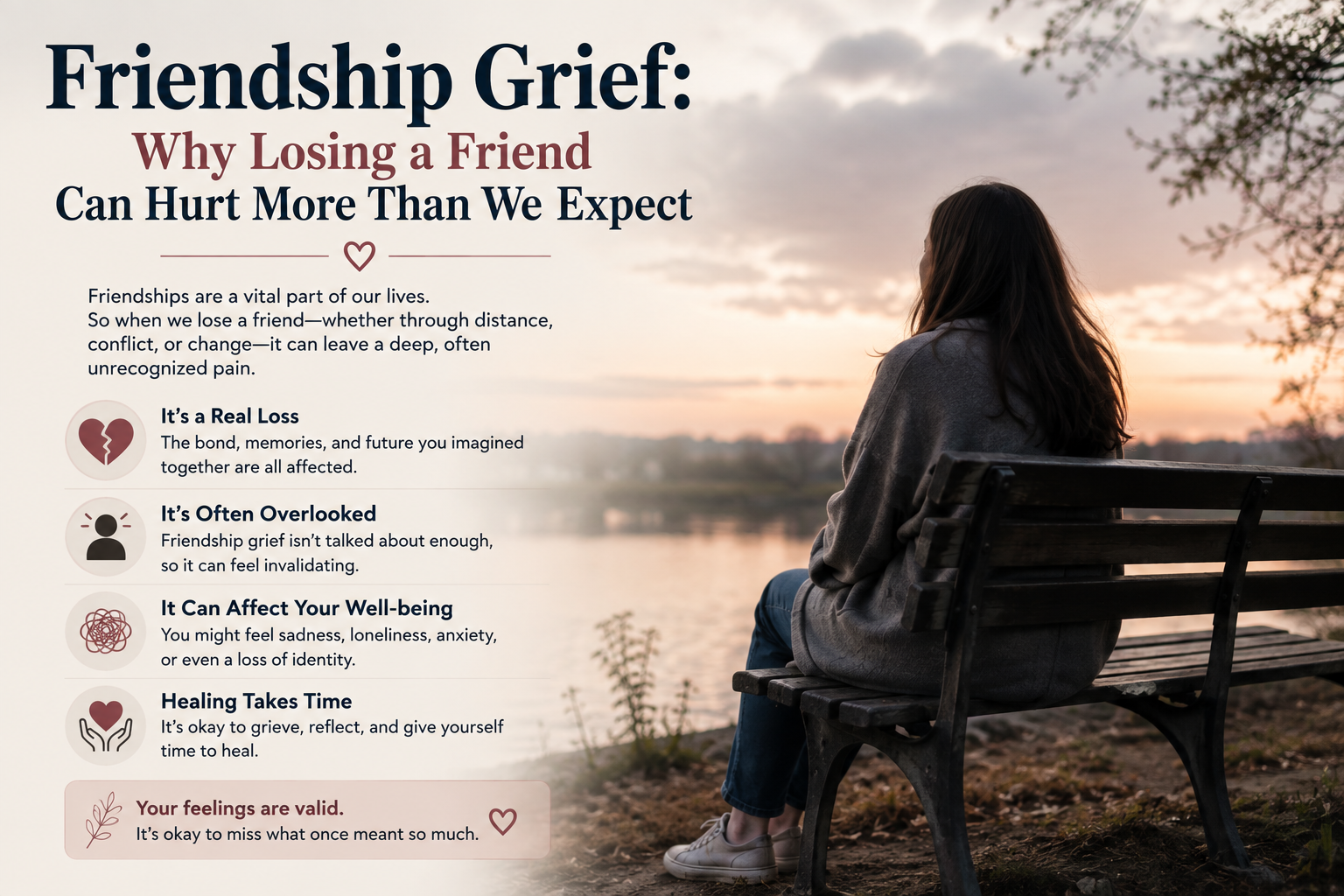
Friendships are some of the most meaningful relationships we experience. A close friend may know our history, understand our struggles, celebrate our successes, and stand beside us during important moments in life.
So when that friendship changes or ends, the pain can feel surprisingly intense.
Many people understand the sadness that comes with losing a romantic relationship or a family connection. However, the emotional impact of losing a close friend is often overlooked. There may be no formal goodbye, no clear ending, and sometimes no one around us recognizes how deeply the loss affects us.
This experience is known as friendship grief — the emotional process of grieving the end, distance, or transformation of an important friendship.
At Lydia™, we believe every meaningful connection deserves recognition. Friendships shape who we are, and when one ends, it is natural to experience feelings of sadness, confusion, and loss.
Why Can Losing a Friend Feel Like Grief?
A close friendship is more than regular conversations or shared activities. It often becomes part of our emotional support system.
Friends can become the people we turn to when we need encouragement, advice, laughter, or simply someone who understands.
When that connection disappears, we do not just lose a person. We may lose:
This is why a friendship breakup can feel deeply painful.
The grief comes from the emotional attachment created over time. Just like any important relationship, a friendship carries expectations, trust, and a sense of belonging.
When that bond changes, our minds and emotions need time to adjust.
Why Is Friendship Grief Often Overlooked?
One of the hardest parts of friendship loss is that people often do not recognize it as a significant form of grief.
When someone loses a romantic partner, others usually understand why they are hurting. But when a friendship ends, people may hear comments like:
These responses can make the pain feel invisible.
This type of experience is sometimes described as disenfranchised grief — a loss that is real but not always socially acknowledged or supported.
The truth is that friendships can hold just as much emotional importance as other relationships. The absence of a friend can leave a noticeable space in daily life.
Missing someone you once spoke to every day, shared personal thoughts with, or trusted deeply is a valid emotional experience.
What Exactly Are You Grieving When a Friendship Ends?
When people experience grief after friendship, they are often grieving more than the person themselves.
They may be grieving:
The Friendship You Once Had
Sometimes the hardest part is remembering how close you used to be.
You may miss the conversations, inside jokes, routines, and comfort that existed between you.
The Future You Imagined
Friendships often come with unspoken expectations.
You may have imagined celebrating future milestones together, supporting each other through life changes, or growing older as friends.
When the friendship ends, you may also grieve those imagined moments.
The Version of Yourself Connected to That Friendship
Certain friends bring out specific parts of who we are.
A childhood friend may remind us of who we were before responsibilities changed our lives. A work friend may represent a meaningful chapter of personal growth.
Losing that relationship can feel like losing a connection to a part of ourselves.
What Causes a Friendship to End?
Friendships can end for many different reasons.
Sometimes there is a clear event that changes everything. Other times, the distance happens slowly.
Common reasons for friendship loss include:
Not every friendship ends because someone did something wrong.
Sometimes two people simply grow in different directions.
Understanding this can help reduce feelings of anger or blame and create space for acceptance.
How Can You Process Friendship Loss Without Becoming Bitter?
The end of a meaningful friendship can bring complicated emotions. You may feel sadness, disappointment, anger, confusion, or even relief.
Processing those feelings does not mean pretending the loss did not hurt. It means allowing yourself to acknowledge what happened and move forward with understanding.
Here are some healthy ways to process friendship grief:
Allow Yourself to Feel the Loss
Many people try to minimize friendship pain because they believe they “should be over it.”
But emotions need recognition before they can heal.
Give yourself permission to miss the person and acknowledge that the friendship mattered.
Reflect on What the Friendship Gave You
Even friendships that end can leave behind meaningful lessons.
Think about:
Appreciating the past does not mean staying stuck in it.
Avoid Replaying Every Detail
After a friendship breakup, it is natural to analyze conversations and wonder what could have been different.
Reflection can be helpful, but constantly searching for answers can keep you connected to the pain.
Focus on understanding rather than blaming.
Make Space for New Connections
Healing from losing a close friend does not mean replacing that person.
Every friendship is unique.
However, opening yourself to new conversations and relationships can help rebuild your sense of connection.
How Long Does Friendship Grief Last?
There is no specific timeline for friendship grief.
Some people feel better within weeks, while others may need months or longer to process the loss of a deeply meaningful friendship.
The length of grief often depends on:
Healing does not mean forgetting.
It means reaching a point where the memory of the friendship can exist without causing the same level of pain.
Why Does Losing a Best Friend Hurt So Much?
A best friend often becomes part of our emotional foundation.
They may know our fears, dreams, habits, and personal history. They may be the first person we contact when something important happens.
When that relationship ends, the absence can feel significant because a major source of emotional support has changed.
The pain is not a sign that you are unable to move on. It is a reflection of how meaningful the relationship was.
Strong emotional connections create strong emotional responses when they are lost.
When Is Extra Support Worth Considering?
Most people can process friendship loss with time, reflection, and support from others.
However, additional support may be helpful if grief begins affecting your everyday life.
Consider reaching out for support if you experience:
Talking with someone you trust can provide perspective and remind you that one painful ending does not define your ability to create meaningful relationships.
A Friendship Ending Does Not Erase Its Value
Not every friendship is meant to last forever.
Some people enter our lives for a season. They influence us, support us, and help us become who we are.
The end of a friendship does not mean the relationship was unsuccessful.
A friendship can be meaningful even if it does not continue.
The memories, lessons, and growth remain part of your story.
Healing from a friendship breakup is not about forgetting someone who mattered. It is about honoring what was shared while creating space for what comes next.
Meaningful connections are part of being human. Losing one can hurt deeply — but it also reminds us how valuable genuine friendship truly is.
Frequently Asked Questions
How long does friendship grief last?
There is no set timeline for friendship grief. It depends on the depth of the connection, how the friendship ended, and how much emotional importance the relationship carried.
Why does losing a best friend hurt so much?
Losing a best friend can hurt because that person often provided emotional support, shared history, and a sense of being understood.
How do you move on from a friendship breakup?
Moving on involves acknowledging the loss, allowing yourself to grieve, learning from the experience, and gradually making space for new relationships.
Is friendship loss as painful as romantic loss?
For many people, yes. The emotional impact depends on the importance of the relationship rather than the type of relationship.
Can a friendship be repaired after it ends?
Sometimes friendships can be repaired through honest communication, understanding, and mutual effort. However, both people must be willing to rebuild the connection.
Discover More Stories About Connection With Lydia™
Friendships shape our lives in powerful ways — whether we are building new connections, repairing old ones, or learning from relationships that have changed.
Lydia™ provides a thoughtful space for women to share experiences, explore meaningful conversations, and discover the value of genuine human connection.
Read more thoughtful relationship and connection stories on Lydia.

 Call a Friend
 Create